
King Samson
I'm Here
Hey..... Don't bring me into it.... LOL..am waiting for THE SAMSON OPTION
Oh, and the DOW only down -96 right now, will probably be Green by lunchtime.

Hey..... Don't bring me into it.... LOL..am waiting for THE SAMSON OPTION

Heating oil prices, here, up another .20/gallon, this morning.A day PRIOR to the strait closing, local home heating oil companies raised their prices by .40/gallon. Some people panic early. Me, I filled my tank two days earlier.


Gotta love the commies and their bs regulationsAnd of course, let's not forget that "summer blend" is just weeks away.

Just got 100gal. @ $3.89/ Thinking that the money is better in the tank than in the bank.Heating oil prices, here, up another .20/gallon, this morning.
| OPEC Members (Daily Pricing) | Last | Change | % Change | Last Updated | |
|---|---|---|---|---|---|
| Arab Light | 75.24 | +4.60 | +6.51% | (10 Hours Delay) | |
| Kuwait Export Blend | 68.70 | +0.22 | +0.32% | (4 Days Delay) |

| International Prices | Last | Change | % Change | Last Updated |
|---|---|---|---|---|---|
| Australia | |||||

| Cossack | 78.15 | +6.81 | +9.55% | (10 Hours Delay) |
|
| NWS Con | 76.10 | +6.81 | +9.83% | (10 Hours Delay) |
|
| Ichthys Con | 80.70 | +6.81 | +9.22% | (10 Hours Delay) |
| Angola | |||||

| Cabinda | 77.30 | +6.81 | +9.66% | (10 Hours Delay) |

| Nemba | 75.55 | +6.81 | +9.91% | (10 Hours Delay) |

| Dalia | 74.90 | +6.81 | +10.00% | (10 Hours Delay) |
| Nigeria | |||||
| Brass River | 78.50 | +6.81 | +9.50% | (10 Hours Delay) | |
| Qua Iboe | 78.40 | +6.81 | +9.51% | (10 Hours Delay) | |
| UAE | |||||
| Das | 80.57 | +9.91 | +14.03% | (10 Hours Delay) | |
| Umm Lulu | 81.07 | +9.91 | +13.93% | (10 Hours Delay) | |
| Upper Zakum | 76.59 | +5.62 | +7.92% | (10 Hours Delay) | |
| Qatar | |||||
| Qatar Land - Qatar | 80.32 | +9.91 | +14.08% | (10 Hours Delay) | |
| Al Shaheen - Qatar | 76.60 | +5.62 | +7.92% | (10 Hours Delay) | |
| D.F.Condensate | 75.47 | +4.63 | +6.54% | (10 Hours Delay) | |
| L.S.Condensate | 75.17 | +4.63 | +6.56% | (10 Hours Delay) | |
| Iraq | |||||
| Basrah Heavy | 71.72 | +4.25 | +6.30% | (10 Hours Delay) | |
| Basrah Medium | 73.67 | +4.25 | +6.12% | (10 Hours Delay) | |
| Saudi Arabia | |||||
| Arab Extra Light | 76.24 | +4.60 | +6.42% | (10 Hours Delay) | |
| Arab Heavy | 72.64 | +4.60 | +6.76% | (10 Hours Delay) | |
Still looks really affordable, based on the 5 year chart, doesn't it??Iran War - Day 3 - Today's Middle East International


This is more than the price of oil. We now have all out war! Hope you are prepared...Kathy.
So many bubbles looking for a pin can keep you as nervous as a long tail cat in a nursing home filled with rocking chairs.
Dow Jones futures tumbling 700 points while Nasdaq futures clobbered 400 points.
Darn... Missed my prediction by like 15 minutes. Every market in the Green at 12:15 PM ESTOh, and the DOW only down -96 right now, will probably be Green by lunchtime.


Yes. Unfortunately too many people have become addicted to that "waiting around". People should be actively taking control of their present and future as much as they've been given the free will to do. Not sitting around waiting for other people to decide their fate for them.

In other words WE must get off our collective ARSES, fess up, and be ready.I am as prepared as I can be. I also have skin in the game with a son in law in Airborne. I am also a military brat and have likely been in prep mode well before many of you have because of that and my cultural background and socioeconomic origins in my youth. Preparedness is a lifestyle, not a hobby. It is a state of being.
The reality is that it is time for people to stop being armchair quarterbacks and desk jockeys behind their computer screens relying on AI and clickbait on the interwebz to wind them up just so they can feel something or exercise their adrenaline or look more informed than the next person.
When the UAE closed their entire processing due to actual damage by a terrorist attack, it was barely a blip of a two-week window. Those who panic'd looked absolutely foolish for screaming that the sky was falling. Those who had built in cushion to absorb a hit succeeded and continued on to the next hysteria generated by other people.
People need to stop being hypocrites. They either have faith and trust in their plans and/or a Higher Power ... or they don't. There is no in between. And if a person doesn't, then the issue is internal and cannot be blamed on external circumstances.
 www.zerohedge.com

QatarEnergy to stop production of LNG
Due to military attacks on QatarEnergy’s operating facilities in Ras Laffan Industrial City and Mesaieed Industrial City in the State of Qatar, QatarEnergy has ceased production of liquefied natural gas (LNG) and associated products.…
— QatarEnergy (@qatarenergy) March 2, 2026

 www.zerohedge.com
In other words WE must get off our collective ARSES, fess up, and be ready.
Scene2(creds)
As DocFung slowly rises from his massage chair...straighting up...and then snapping a
perfect salute...eyes tearing up as he thinks about his church in New Caledonia (WW2)
My father loved the service. He enlisted in his 40's(second time).. and was honorably discharged as a MAJOR Oh by the way, he enlisted at 18 in the army during ww1.. Trained at College Station Texas as a radio man . My father was born in 1895....had me late bin.life.
.
 Drama llamas aside, we all should be doing what it takes to serve as leaders in our community.

 www.cnbc.com

Iranian navy isn't the whole story.
The can make a transit of Hormuz pretty dicey with missiles.
I'm sure, but I bet we're watching the coast, like a hawk, and as soon as a missile is launched, we destroy the launch site.The can make a transit of Hormuz pretty dicey with missiles.
Top Energy Analyst Says Iran's Navy Too Weak To Completely Choke Hormuz
Day 3 vs Iran.Still looks really affordable, based on the 5 year chart, doesn't it??
View attachment 590941
View attachment 590942
I'm sure, but I bet we're watching the coast, like a hawk, and as soon as a missile is launched, we destroy the launch site.

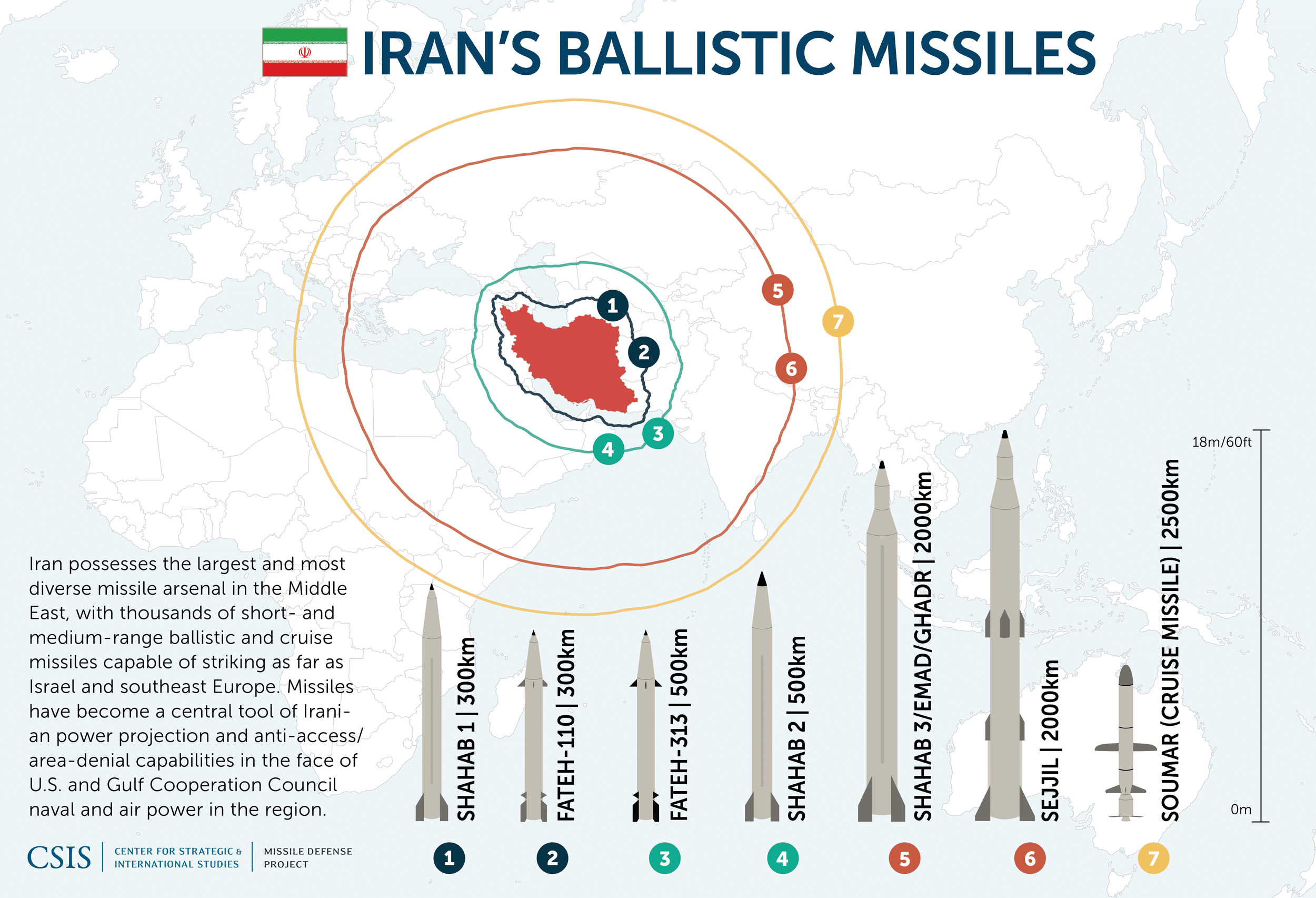
So, you don't think the DoW knew this, and will do everything in their power, to keep it open?It's not real wide, 24-60mi.
They don't need top-tier rockets to keep it closed.
So, you don't think the DoW knew this, and will do everything in their power, to keep it open?
The Straits are semi-opened, because some vessels are given permission to transit by the Iranians.So, you don't think the DoW knew this, and will do everything in their power, to keep it open?

Yes, but for how long? Word is that their missile stockpile is going to last days, not weeks. I think the longevity of this action is going to make a bigger impact than the missile impacts themselves.


 t.me
 t.me
We also have air superiority there now. I expect Trump and Pete to be working with drones and aircraft, and continue to take out the SAM sites sitting in the mountains, so they can get the Strait re-opened.Trump said we are going after the rest of them without a Navy, Air Force or ground control they aren't going to be closing anything.


 www.businessinsurance.com


